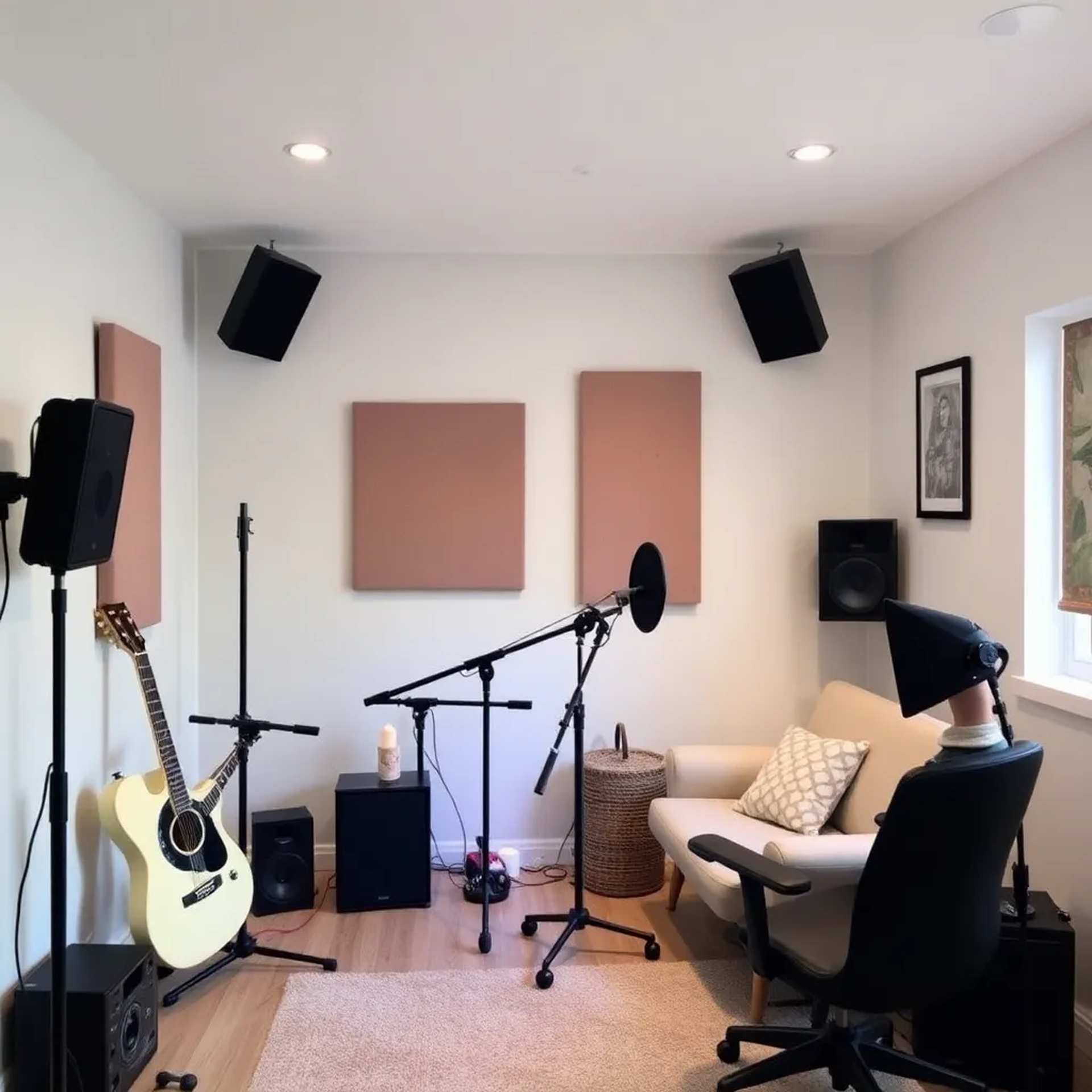
Recording Basics for Beginners
Learn the fundamental concepts of vocal recording, from mic placement to room acoustics. Perfect for first-time studio visitors.
Read More →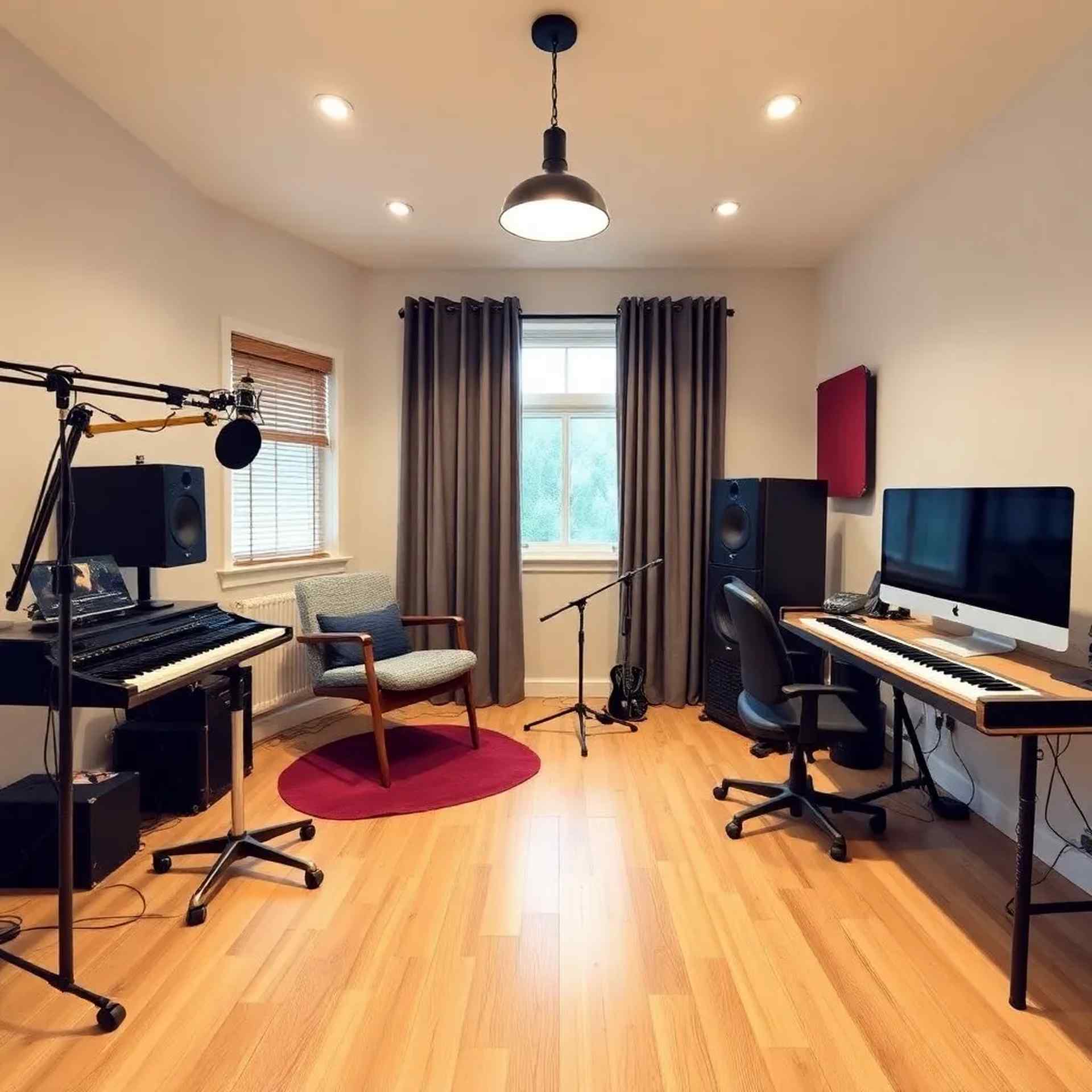
Essential Vocal Warm-ups Before Recording
Prepare your voice for the best recording session with these proven warm-up exercises used by professional singers.
Read More →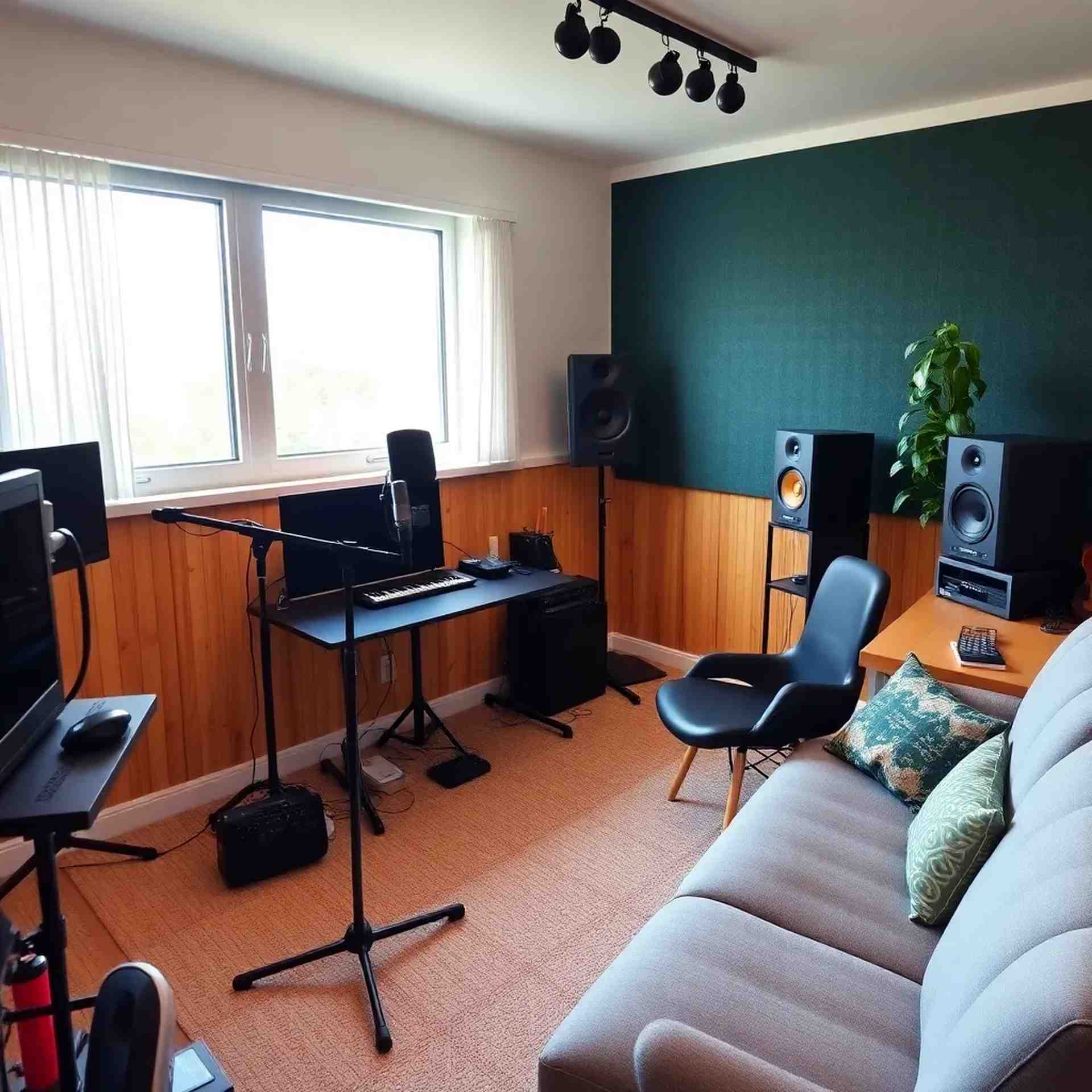
Understanding EQ and Compression
Demystify the two most important mixing tools. Learn how to use EQ and compression to make your vocals shine.
Read More →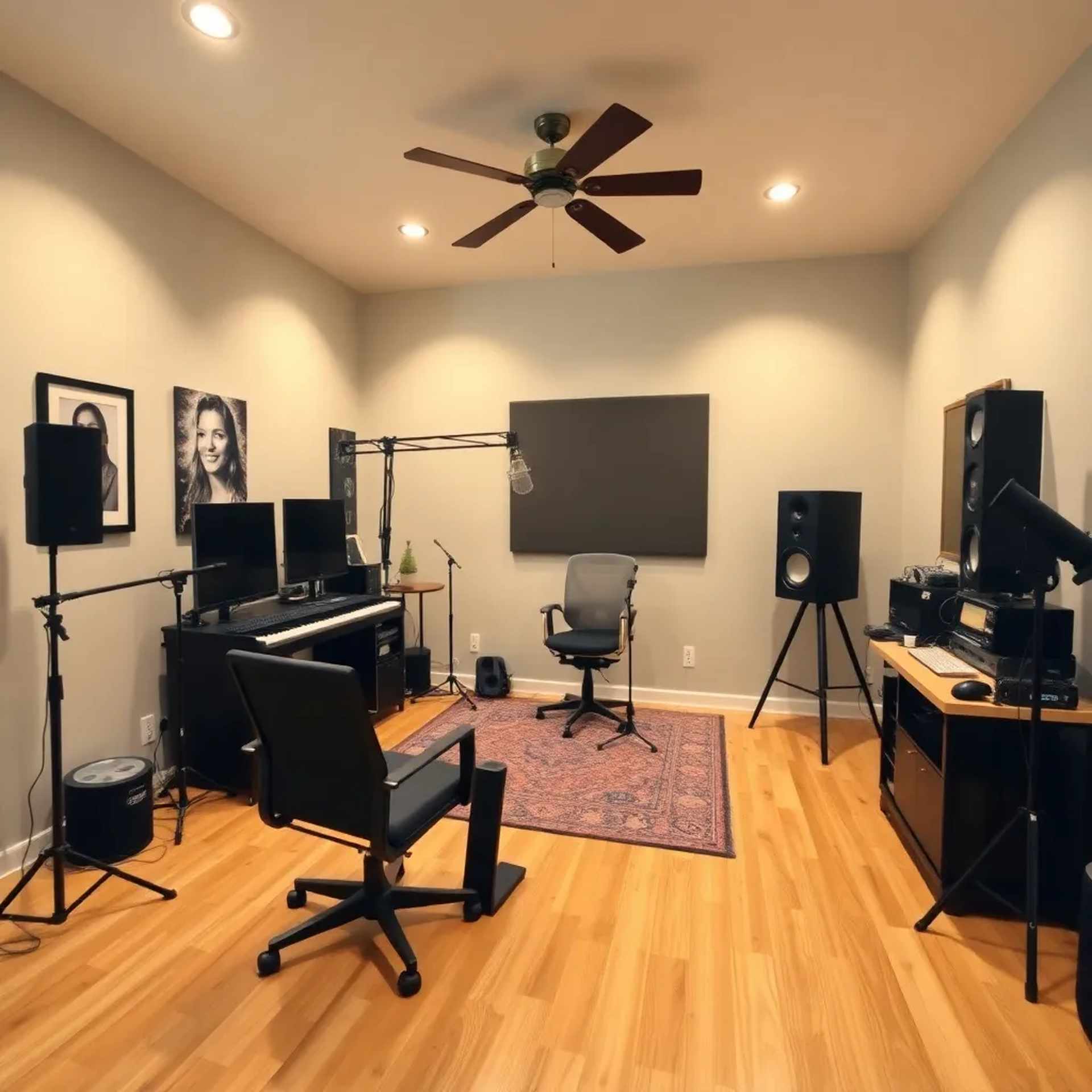
Optimizing Audio for YouTube Uploads
Make sure your covers sound amazing on YouTube with these audio optimization tips and export settings.
Read More →
Microphone Technique for Cover Singers
Master the art of working with a microphone. Distance, angle, and dynamics all matter when recording vocals.
Read More →
Maintaining Vocal Health for Singers
Keep your voice in top condition with these daily habits and practices recommended by vocal coaches.
Read More →Recording Basics for Beginners
Welcome to the world of vocal recording! Whether you're recording your first cover song or starting a YouTube channel, understanding the basics will help you get the best results.
1. Microphone Placement
The distance between you and the microphone significantly affects your sound. Generally, position yourself 6-12 inches away from the mic. Closer distances create a more intimate, bass-heavy sound (proximity effect), while further distances capture more room ambience.
2. Room Acoustics
Recording in a treated space makes a huge difference. If you're recording at home, choose a room with:
- Minimal echo and reverb
- Soft furnishings (curtains, carpets, cushions)
- Away from noisy appliances and traffic
3. Gain Staging
Set your input gain so your loudest parts peak around -12dB to -6dB. This leaves headroom for mixing and prevents distortion.
4. Multiple Takes
Don't expect perfection on the first take. Record multiple versions and choose the best parts from each. This is called "comping" and is standard practice in professional studios.
Essential Vocal Warm-ups Before Recording
Warming up your voice before a recording session is crucial for achieving your best performance and preventing vocal strain.
Why Warm Up?
Vocal warm-ups increase blood flow to your vocal cords, improve flexibility, and help you hit notes more accurately. Never skip this step!
Recommended Warm-up Routine (15 minutes):
- Breathing Exercises (3 minutes) - Deep belly breathing to support your voice
- Lip Trills (2 minutes) - Relax your lips and blow air through them while humming
- Sirens (3 minutes) - Slide from your lowest to highest note on an "oo" sound
- Scale Practice (5 minutes) - Sing major scales on different vowels
- Song Rehearsal (2 minutes) - Run through your song at half volume
What to Avoid Before Recording:
- Dairy products (can create phlegm)
- Cold drinks (can tighten vocal cords)
- Shouting or excessive talking
- Caffeine (can dry out your throat)
Understanding EQ and Compression
EQ (Equalization) and compression are the two most fundamental tools in audio mixing. Let's demystify them!
What is EQ?
EQ allows you to boost or cut specific frequency ranges in your audio. Think of it as a sophisticated tone control.
Basic EQ for Vocals:
- High-pass filter (80-100Hz) - Remove rumble and low-end noise
- Cut muddy frequencies (200-400Hz) - Reduce boxiness
- Boost presence (2-5kHz) - Add clarity and definition
- Air boost (10-12kHz) - Add sparkle and airiness
What is Compression?
Compression reduces the dynamic range of your audio, making quiet parts louder and loud parts quieter. This creates a more consistent, professional sound.
Basic Compression Settings for Vocals:
- Ratio: 3:1 to 4:1
- Attack: 10-30ms (fast enough to catch peaks)
- Release: 100-200ms (musical and natural)
- Threshold: Adjust until you see 3-6dB of gain reduction
Optimizing Audio for YouTube Uploads
YouTube's compression can affect your audio quality. Follow these tips to ensure your covers sound great after upload.
Export Settings:
- Format: WAV or high-quality MP3 (320kbps)
- Sample Rate: 48kHz (YouTube's native rate)
- Bit Depth: 24-bit for maximum quality
Loudness Standards:
YouTube normalizes audio to -14 LUFS. Master your track to -13 to -14 LUFS with a true peak of -1dB to prevent distortion.
Audio Enhancement Tips:
- Add subtle high-frequency boost (8-10kHz) to compensate for YouTube compression
- Use moderate compression to maintain consistency
- Avoid extreme limiting - it will sound worse after YouTube processing
- Test your audio on different devices (phone, laptop, headphones)
Video Rendering:
When rendering your video, use these settings:
- Codec: H.264
- Audio Codec: AAC
- Audio Bitrate: 320kbps
Microphone Technique for Cover Singers
How you work with the microphone can make or break your recording. Here's what you need to know.
The Basics:
Distance: Maintain 6-8 inches from the mic for most singing. Move closer for intimate passages, further for powerful notes.
The Pop Filter:
Always use a pop filter to prevent plosives (hard "P" and "B" sounds) from creating unwanted bursts of air.
Microphone Angle:
Sing slightly off-axis (at a slight angle) rather than directly into the mic to reduce sibilance and breath noise.
Dynamic Control:
- Back away during loud passages
- Move closer for soft, intimate sections
- This is called "working the mic" and adds natural dynamics
Common Mistakes:
- Holding the microphone (causes handling noise)
- Moving too much (creates volume inconsistencies)
- Singing directly into the top of the mic (most mics are side-address)
Maintaining Vocal Health for Singers
Your voice is your instrument. Taking care of it ensures longevity and consistent performance.
Daily Habits:
- Stay Hydrated: Drink 8-10 glasses of water daily
- Warm Up Properly: Never sing without warming up first
- Rest Your Voice: Avoid excessive talking or singing when tired
- Sleep Well: Get 7-8 hours of quality sleep
Foods That Help:
- Room temperature water
- Herbal teas (chamomile, ginger)
- Honey (natural throat soother)
- Apples (clean the throat)
Foods to Avoid Before Singing:
- Dairy products
- Spicy foods
- Caffeine
- Alcohol
- Very cold or very hot drinks
Warning Signs:
Stop singing and rest if you experience:
- Pain or discomfort
- Hoarseness lasting more than a week
- Loss of range
- Vocal fatigue